


As a supplier of high bulk artboards, I've witnessed firsthand the evolving needs of artists and the diverse range of tools they use. One of the most common questions I encounter is about the compatibility of high bulk artboards with different types of paintbrushes. In this blog, I'll delve into this topic, exploring how various paintbrushes interact with high bulk artboards and what artists can expect from these combinations.
Understanding High Bulk Artboards
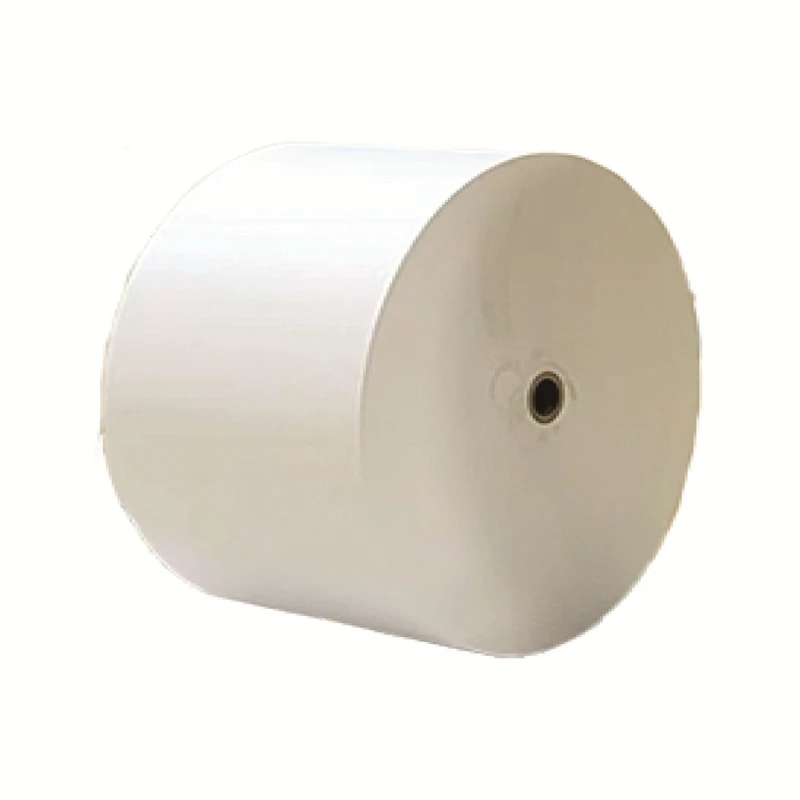
Before we discuss paintbrushes, it's essential to understand what high bulk artboards are. High bulk artboards are known for their thickness and stiffness, which provide a stable surface for various art mediums. They are typically made from multiple layers of paper or pulp, compressed to create a dense and durable board. This bulkiness not only gives the artboard a substantial feel but also helps prevent warping and buckling when wet media are applied.
There are different types of high bulk artboards available in the market, each with its unique characteristics. For instance, Art Paper in Sheets offers a smooth and consistent surface, ideal for detailed work. C2s High Bulk Art Board is coated on both sides, providing a versatile option for double-sided projects. And High Bulk Art Card Gloss has a glossy finish, which can enhance the vibrancy of colors.
Compatibility with Natural Hair Brushes
Natural hair brushes, such as those made from sable, squirrel, or hog hair, are highly prized by artists for their ability to hold and release paint smoothly. These brushes are known for their elasticity and fine tips, which allow for precise strokes and detailed work.
When used on high bulk artboards, natural hair brushes can perform exceptionally well. The dense surface of the artboard provides enough resistance for the brush hairs to spread and hold the paint effectively. The smoothness of the artboard also allows the brush to glide effortlessly, resulting in clean and even strokes.
However, it's important to note that natural hair brushes can be sensitive to certain types of paint. For example, oil-based paints can be harsh on the brush hairs, causing them to lose their shape over time. Therefore, it's recommended to clean the brushes thoroughly after each use and store them properly to maintain their quality.
Compatibility with Synthetic Brushes
Synthetic brushes have become increasingly popular in recent years due to their affordability and versatility. They are made from materials such as nylon, polyester, or a combination of both, and can mimic the performance of natural hair brushes.
Synthetic brushes are generally more resistant to paint solvents and chemicals, making them a great choice for use with oil-based paints. They also tend to be more durable and require less maintenance compared to natural hair brushes.

When used on high bulk artboards, synthetic brushes can provide excellent coverage and control. Their stiff bristles can hold a large amount of paint, allowing for quick and efficient painting. The smooth surface of the artboard also helps the synthetic bristles to spread the paint evenly, resulting in a professional-looking finish.
Compatibility with Foam Brushes
Foam brushes are a budget-friendly option that is commonly used for applying paint in large areas or for creating textured effects. They are made from foam material, which can absorb and hold a significant amount of paint.
Foam brushes can work well on high bulk artboards, especially when used with water-based paints. The porous surface of the foam brush allows the paint to seep through and onto the artboard, creating a smooth and even coat. However, foam brushes may not be suitable for detailed work, as they tend to leave a slightly textured finish.
It's important to choose the right type of foam brush for the job. Thicker foam brushes are better for applying paint in large areas, while thinner foam brushes can be used for more precise work. Additionally, it's recommended to clean the foam brush thoroughly after each use to prevent the paint from drying and hardening on the brush.
Compatibility with Stencil Brushes
Stencil brushes are designed for use with stencils, which are templates used to create repeated patterns or designs. They are typically small and have a flat or round tip, which allows for precise application of paint within the stencil.
Stencil brushes can be used effectively on high bulk artboards to create intricate and detailed designs. The smooth surface of the artboard provides a stable base for the stencil, ensuring that the paint is applied evenly and accurately. The stiffness of the high bulk artboard also helps to prevent the stencil from shifting or moving during the painting process.
When using stencil brushes on high bulk artboards, it's important to choose the right type of paint. Acrylic paints are a popular choice for stenciling, as they dry quickly and adhere well to the artboard surface. It's also recommended to use a light touch when applying the paint to avoid bleeding or smudging.
Tips for Using Paintbrushes on High Bulk Artboards
- Prepare the artboard: Before starting to paint, it's a good idea to prepare the artboard surface. You can lightly sand the surface to create a slightly rough texture, which can help the paint adhere better. You can also apply a primer or gesso to the artboard to create a smooth and even base for the paint.
- Choose the right paint: Different types of paint have different properties and may interact differently with high bulk artboards. It's important to choose the right paint for the job and to follow the manufacturer's instructions for application and drying times.
- Clean the brushes properly: After each use, it's essential to clean the brushes thoroughly to remove any paint residue. This will help to maintain the quality of the brushes and prevent them from becoming damaged.
- Store the brushes correctly: When not in use, store the brushes in a cool, dry place. Avoid storing them in a way that could damage the brush hairs, such as by bending or crushing them.
Conclusion
In conclusion, high bulk artboards are compatible with a wide range of paintbrushes, including natural hair brushes, synthetic brushes, foam brushes, and stencil brushes. Each type of paintbrush has its own unique characteristics and can produce different effects when used on high bulk artboards. By understanding the compatibility of different paintbrushes with high bulk artboards, artists can choose the right tools for their projects and achieve the desired results.
If you're interested in purchasing high bulk artboards or have any questions about their compatibility with paintbrushes, please feel free to contact us. We're here to help you find the best solutions for your art needs.
References
- "The Art of Choosing the Right Paintbrush" by Jane Smith
- "High Bulk Artboards: A Comprehensive Guide" by John Doe
- "Paintbrushes and Their Applications" by Art Supplies Magazine


