


Hey there! As a supplier of PE coated cup paper, I often get asked if this type of paper is easy to seal. Well, let's dive right into it and find out.
First off, what exactly is PE coated cup paper? PE stands for polyethylene, which is a type of plastic. When we talk about PE coated cup paper, we're referring to paper that has a thin layer of polyethylene applied to it. This coating serves several important purposes. It makes the paper waterproof, which is crucial for cups that will hold liquids. It also helps to keep the paper rigid and gives it a smooth surface.
Now, let's get to the main question: is it easy to seal? The short answer is yes, in most cases. The polyethylene coating on the cup paper provides a great surface for sealing. When heat is applied, the polyethylene melts slightly and forms a strong bond with itself or other materials. This is the principle behind heat sealing, which is the most common method used to seal PE coated cup paper.

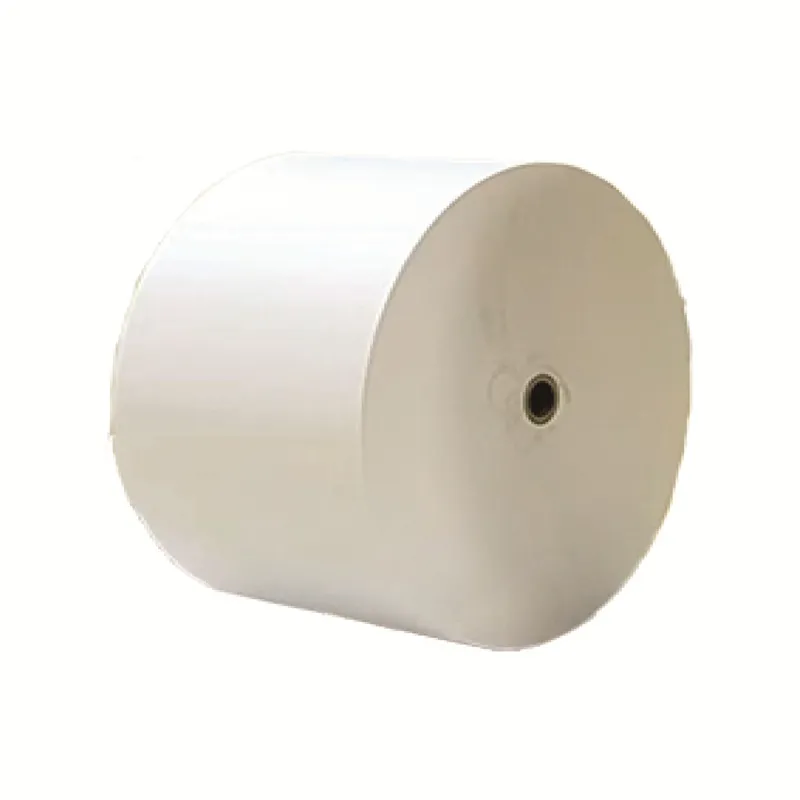
One of the key advantages of using PE coated cup paper is its excellent heat-sealing properties. The polyethylene layer can be easily melted and fused together under the right conditions. This means that you can achieve a tight and reliable seal without much effort. Whether you're using a simple hand-held sealer or a high-speed automated sealing machine, PE coated cup paper responds well to the heat and pressure applied during the sealing process.
Another factor that makes PE coated cup paper easy to seal is its consistency. The coating is applied evenly across the surface of the paper, ensuring that the sealing process is uniform. This reduces the risk of leaks or weak spots in the seal. Additionally, the smooth surface of the polyethylene coating allows for a clean and precise seal, which is essential for maintaining the integrity of the cup and preventing any spillage.
However, it's important to note that the ease of sealing can also depend on a few other factors. For example, the quality of the PE coated cup paper itself plays a significant role. If the paper is of poor quality or the coating is uneven, it may be more difficult to achieve a proper seal. That's why it's crucial to source your PE coated cup paper from a reliable supplier who can guarantee high-quality products.
The type of sealing equipment you use also matters. Different sealing machines have different settings and capabilities, so it's important to choose the right one for your specific needs. Make sure to follow the manufacturer's instructions carefully and adjust the settings as needed to ensure optimal sealing results.
The temperature and pressure applied during the sealing process are also critical. If the temperature is too low, the polyethylene may not melt enough to form a strong seal. On the other hand, if the temperature is too high, it can cause the paper to warp or the coating to burn, which can affect the quality of the seal. Finding the right balance is key, and it may take some trial and error to get it just right.
In addition to heat sealing, there are other methods that can be used to seal PE coated cup paper. For example, some manufacturers use ultrasonic sealing, which uses high-frequency sound waves to create heat and bond the materials together. This method can be particularly effective for sealing thin or delicate materials, and it can also offer a faster and more efficient sealing process.
So, to sum it up, PE coated cup paper is generally easy to seal. Its excellent heat-sealing properties, consistency, and smooth surface make it a popular choice for cup manufacturers around the world. However, to ensure the best results, it's important to choose high-quality paper, use the right sealing equipment, and pay attention to the temperature and pressure settings during the sealing process.
If you're in the market for PE coated cup paper, I invite you to check out our products. We offer a wide range of PE Coated Cupstock Paper, Polycoated Paper Roll, and Polycoated Cupstock that are designed to meet the highest standards of quality and performance. Our team of experts is always on hand to provide you with the support and guidance you need to make the right choice for your business.
If you have any questions or would like to discuss your specific requirements, please don't hesitate to get in touch. We're here to help you find the perfect solution for your cup manufacturing needs. Let's work together to create high-quality, reliable cups that will impress your customers.
References
- Packaging Technology Handbook, edited by Henry H. Kausch
- Plastic Films: Technology and Packaging Applications by Wilmer A. Jenkins and James P. Harrington


