


Hey there! As a paper bag supplier, I've seen firsthand how paper bags can be a game - changer when it comes to protecting fruits and vegetables. In this blog, I'll share some cool ways you can use our paper bags to keep your produce fresh and safe.
Why Paper Bags?
First off, let's talk about why paper bags are a great choice for fruit and veggie protection. Paper is a natural material, which means it's eco - friendly. It's also breathable, allowing air to circulate around the produce. This helps prevent the build - up of moisture, which can lead to mold and spoilage.

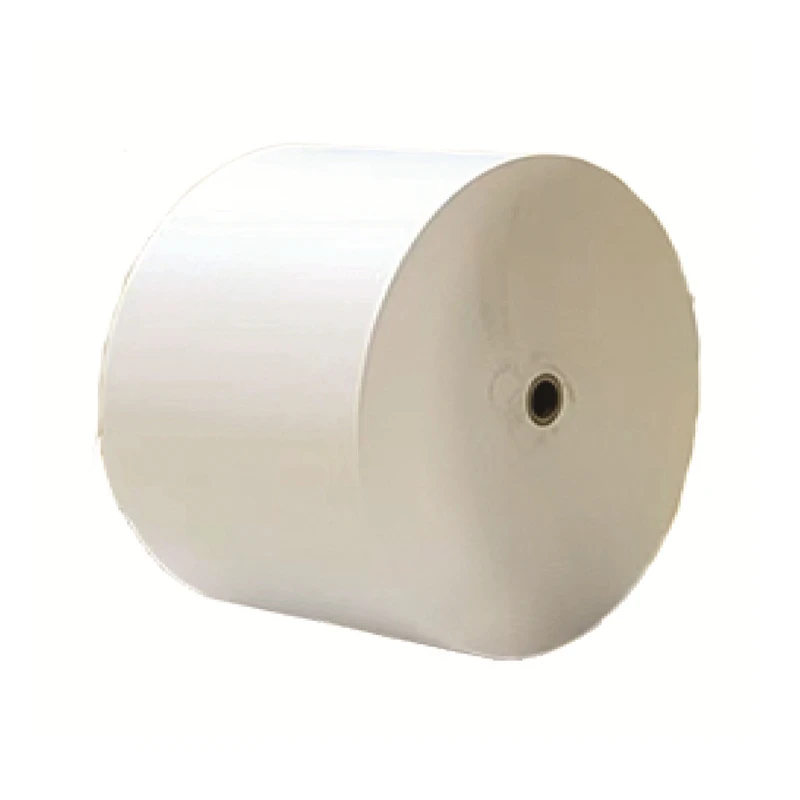
Our paper bags come in different types, like the Cupstock Base Paper. This kind of paper is strong and can hold a good amount of weight, making it perfect for heavier fruits like melons or large bunches of vegetables. The Ivory Board Gift Paper Bag is not only sturdy but also has an aesthetic appeal. You can use it for presenting a small selection of high - end fruits as a gift. And the Uncoated Offset Paper is lightweight and great for wrapping individual pieces of produce.
Using Paper Bags for Storage
Individual Wrapping
One of the simplest ways to use paper bags is to wrap individual fruits and vegetables. For example, apples and pears can be wrapped in a single sheet of our Uncoated Offset Paper. This helps protect them from scratches and bruising, which can occur when they rub against each other in a larger container. When you wrap them individually, you also isolate any potential problems. If one piece starts to go bad, it won't contaminate the others as easily.
To wrap an apple, just take a sheet of paper, place the apple in the center, and fold the paper over it. Then, tuck in the edges to secure the apple inside. You can do this for a whole bunch of apples and store them in a larger paper bag or a cardboard box. This method is also great for avocados. Since avocados are prone to bruising, wrapping them in paper helps keep them in good condition until they're ripe.
Group Storage
For smaller fruits like berries or grapes, you can use a paper bag to store them in groups. Place a layer of paper at the bottom of the bag to create a cushion. Then, gently pour the berries or grapes into the bag. You can add another layer of paper on top to provide extra protection. The paper will absorb any excess moisture that might be released by the fruits, keeping them dry and fresh for longer.
When it comes to leafy greens, you can use a large paper bag to store them. First, make sure the greens are dry. You can pat them gently with a paper towel. Then, place the greens in the bag and fold the top of the bag down a few times to close it. The paper bag will allow the greens to breathe and prevent them from wilting too quickly.
Paper Bags for Transport
Short - Distance Transport
If you're just taking your fruits and vegetables from the market to your home, paper bags are a great option. They're easy to carry and can protect your produce from the bumps and jostles of the journey. For example, if you're buying a bunch of bananas, place them in a paper bag. The bag will prevent the bananas from getting squished and keep them looking good.
You can also use paper bags to transport vegetables like carrots and celery. Just put them in a bag and carry it by the handles. The paper will absorb any dirt or moisture that might be on the vegetables, keeping your hands clean and the produce in good shape.
Long - Distance Transport
For longer trips, you need to be a bit more careful. First, choose a sturdy paper bag like our Cupstock Base Paper bag. Line the inside of the bag with a layer of bubble wrap or another soft material to provide extra cushioning. Then, arrange your fruits and vegetables in the bag, making sure they're not overcrowded. You can separate different types of produce with sheets of paper to prevent them from touching each other and causing damage.
If you're transporting delicate fruits like peaches or nectarines, you can wrap each one in a soft paper and then place them in the bag. This will protect them from the vibrations and impacts of the journey. You can also add a few small pieces of crumpled paper in the bag to fill any empty spaces and prevent the produce from shifting around.
Paper Bags and Ripening
Some fruits, like bananas, apples, and avocados, release ethylene gas as they ripen. This gas can speed up the ripening process of other fruits nearby. You can use paper bags to control the ripening of your produce.
If you want to speed up the ripening of an avocado, place it in a paper bag with a ripe banana. The ethylene gas released by the banana will accelerate the ripening of the avocado. Just make sure to check the avocado regularly, as it can ripen quickly in this environment.
On the other hand, if you want to slow down the ripening of a bunch of bananas, you can place them in a paper bag with a piece of newspaper. The newspaper will absorb some of the ethylene gas, keeping the bananas fresh for a longer time.
Tips for Using Paper Bags
- Choose the Right Size: Make sure the paper bag is the right size for your produce. A bag that's too small will squeeze the fruits and vegetables, while a bag that's too large won't provide enough support.
- Keep the Bags Dry: Moisture can weaken the paper bags and make them less effective at protecting your produce. If the bags get wet, replace them with dry ones.
- Label the Bags: If you're storing different types of fruits and vegetables in multiple bags, label the bags to make it easier to find what you're looking for.
Conclusion
As you can see, paper bags are a versatile and effective way to protect your fruits and vegetables. Whether you're storing them at home, transporting them, or controlling their ripening, our paper bags can do the job.
If you're interested in purchasing our paper bags for your fruit and vegetable protection needs, feel free to reach out for a purchase negotiation. We're always happy to discuss your requirements and find the best paper bag solutions for you.
References
- Smith, J. (2020). The Benefits of Using Paper for Food Storage. Journal of Sustainable Food Packaging.
- Johnson, A. (2019). Transporting Produce: Best Practices. Agricultural Packaging Review.


