


High bulk artboard is a versatile and widely used material in the printing and packaging industries. As a high bulk artboard supplier, I'm often asked about the manufacturing process of this remarkable product. In this blog post, I'll take you through the step-by-step journey of how high bulk artboard is made, from the raw materials to the finished product.
Raw Materials
The production of high bulk artboard begins with carefully selected raw materials. The primary component is wood pulp, which can be sourced from either softwood or hardwood trees. Softwood pulp, typically obtained from pine or spruce trees, provides long fibers that contribute to the board's strength and stiffness. Hardwood pulp, on the other hand, comes from trees like eucalyptus and offers shorter fibers that enhance the board's smoothness and printability.
In addition to wood pulp, other additives may be used to improve the properties of the artboard. These can include fillers such as calcium carbonate or kaolin clay, which help to increase the board's opacity and brightness. Chemicals like sizing agents are also added to make the board more resistant to water and ink penetration, ensuring high-quality printing results.
Pulping
Once the raw materials are gathered, the first step in the manufacturing process is pulping. There are two main methods of pulping: mechanical pulping and chemical pulping.
Mechanical pulping involves grinding the wood chips into fibers using mechanical force. This process is relatively simple and cost-effective, but it produces pulp with lower strength and brightness compared to chemical pulping. Mechanical pulp is often used in the production of newsprint and other low-grade papers.
Chemical pulping, on the other hand, uses chemicals to break down the lignin that binds the wood fibers together. The most common chemical pulping method is the kraft process, which uses a mixture of sodium hydroxide and sodium sulfide to cook the wood chips under high pressure and temperature. This process produces pulp with high strength, brightness, and purity, making it ideal for the production of high-quality artboard.
Stock Preparation
After pulping, the pulp is transferred to the stock preparation area, where it undergoes a series of treatments to prepare it for papermaking. This includes screening to remove any large particles or debris, cleaning to remove impurities, and refining to improve the fiber properties.
During the refining process, the pulp fibers are beaten and treated to increase their flexibility and bonding ability. This helps to improve the strength, smoothness, and printability of the final artboard. The degree of refining can be adjusted depending on the desired properties of the artboard.

Forming
Once the stock is prepared, it is ready to be formed into a sheet of paper. This is done using a papermaking machine, which consists of a wire section, a press section, and a drying section.
In the wire section, the stock is fed onto a moving wire mesh, where most of the water is drained away. The fibers begin to form a mat on the wire, and the sheet starts to take shape. The wire mesh also helps to align the fibers in the machine direction, which gives the paper its strength and stiffness.
In the press section, the wet sheet is passed through a series of presses to remove more water and consolidate the fibers. The presses apply pressure to the sheet, squeezing out the water and increasing the density of the paper. This helps to improve the strength and smoothness of the final artboard.
In the drying section, the wet sheet is passed through a series of drying cylinders, where it is heated to remove the remaining water. The drying process is carefully controlled to ensure that the paper dries evenly and does not shrink or warp. Once the paper is dry, it is ready for further processing.
Coating
One of the key features of high bulk artboard is its smooth and glossy surface, which is achieved through a coating process. Coating involves applying a thin layer of coating material to the surface of the paper to improve its printability, brightness, and appearance.
There are two main types of coating: single-sided coating and double-sided coating. Single-sided coating is typically used for applications where only one side of the artboard needs to be printed, such as book covers and packaging boxes. Double-sided coating, on the other hand, is used for applications where both sides of the artboard need to be printed, such as magazines and brochures.
The coating material can be made from a variety of substances, including clay, latex, and polymers. The coating is applied to the paper using a coating machine, which can be either a blade coater, a roll coater, or a spray coater. The type of coater used depends on the desired properties of the coating and the type of paper being coated.
After the coating is applied, the paper is dried again to remove any remaining moisture and to cure the coating. The coated paper is then calendered, which involves passing it through a series of smooth rollers under high pressure. This helps to further smooth the surface of the paper and improve its gloss and printability.
Finishing
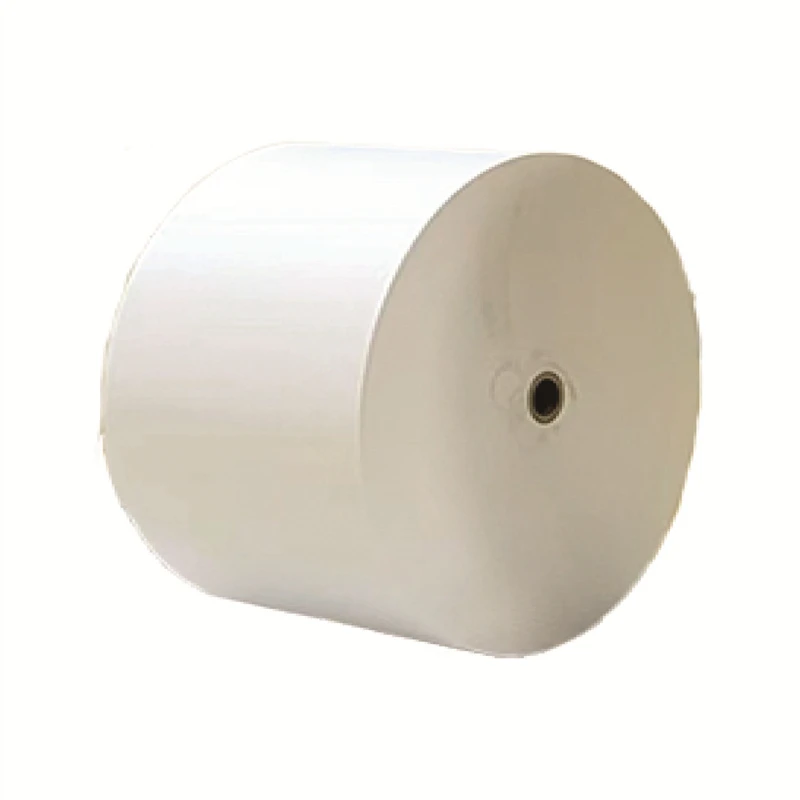
Once the coating and calendering processes are complete, the high bulk artboard is ready for finishing. This includes cutting the paper into the desired size and shape, slitting it into rolls or sheets, and packaging it for shipment.
The artboard can be cut and slit using a variety of equipment, including guillotine cutters, rotary cutters, and slitter rewinders. The cutting and slitting process is carefully controlled to ensure that the artboard is cut to the correct size and shape with clean, straight edges.
The artboard is then packaged in a variety of ways, depending on the customer's requirements. It can be packaged in rolls, sheets, or boxes, and it can be wrapped in plastic or paper to protect it during shipping and storage.
Quality Control
Throughout the manufacturing process, strict quality control measures are in place to ensure that the high bulk artboard meets the highest standards of quality and performance. This includes testing the raw materials, monitoring the production process, and inspecting the finished product.
The raw materials are tested for their quality and purity before they are used in the manufacturing process. This includes testing the wood pulp for its fiber length, strength, and brightness, and testing the additives for their chemical composition and performance.
During the production process, the quality of the pulp, the stock, and the paper is monitored at various stages to ensure that it meets the desired specifications. This includes testing the pulp for its consistency, the stock for its pH and temperature, and the paper for its strength, thickness, and brightness.
The finished product is inspected for its appearance, printability, and performance. This includes checking the surface for any defects, such as scratches, spots, or wrinkles, and testing the printability of the artboard using a variety of printing methods.
Conclusion
In conclusion, the manufacturing process of high bulk artboard is a complex and sophisticated process that involves multiple steps and careful control. From the selection of raw materials to the finishing touches, every step is crucial in ensuring the quality and performance of the final product.
As a high bulk artboard supplier, we are committed to providing our customers with the highest quality artboard at competitive prices. We use the latest technology and manufacturing processes to ensure that our artboard meets the highest standards of quality and performance. Whether you are looking for Art Paper in Sheets, C2s High Bulk Art Board, or 2 Sides Coated Art Paper Gloss, we have the right product for your needs.
If you are interested in learning more about our high bulk artboard products or would like to discuss your specific requirements, please feel free to contact us. We would be happy to assist you with your procurement needs and help you find the perfect artboard for your project.
References
- "Papermaking: The History and Technology of an Ancient Craft" by Mark Kurlansky
- "Handbook of Pulp and Paper Technology" by James P. Casey
- "The Paper Industry: A Global Perspective" by John A. Clark


