


Hey there! As a supplier of PE coated cup paper, I've been getting a lot of questions lately about how the PE coating on cup paper affects its cutting performance. So, I thought I'd take some time to break it down for you all.
First off, let's talk about what PE coating is. PE stands for polyethylene, which is a type of plastic. When we apply a PE coating to cup paper, we're essentially adding a thin layer of plastic to the surface of the paper. This coating serves several important purposes. It makes the paper waterproof, which is crucial for cups that will hold liquids. It also gives the paper a smooth, shiny finish, which can enhance the overall appearance of the cups.

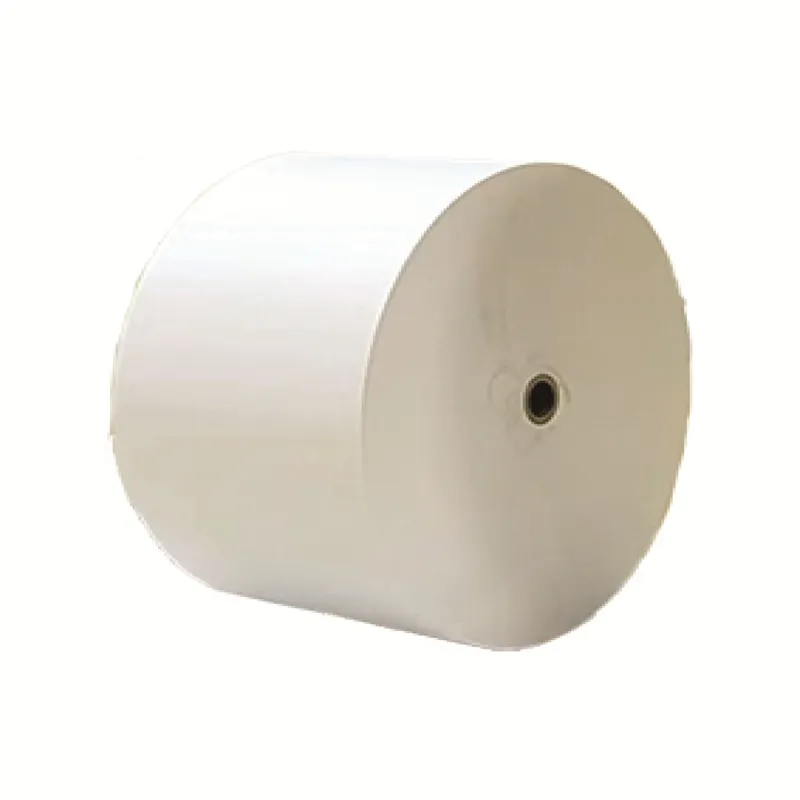
Now, let's get into how this PE coating impacts the cutting performance of the cup paper.
1. Blade Wear
One of the most significant ways the PE coating affects cutting is through blade wear. The PE coating is a relatively tough material compared to plain paper. When you're cutting PE coated cup paper, the blade has to work harder to slice through both the paper and the plastic coating. This increased friction and resistance can cause the blade to wear down more quickly.
For example, if you're using a standard blade to cut plain paper, it might last for several thousand cuts before needing to be replaced. But when you switch to cutting PE coated cup paper, that same blade might only last a few hundred cuts. This means you'll have to replace your blades more frequently, which can add to your production costs.
However, there are ways to mitigate this issue. Using high - quality, sharp blades specifically designed for cutting plastic - coated materials can help reduce blade wear. These blades are often made from harder materials and have a more precise cutting edge, which allows them to cut through the PE coating more efficiently.
2. Cutting Precision
The PE coating can also have an impact on the cutting precision of the cup paper. The smooth surface of the PE coating can sometimes cause the paper to slip during the cutting process. This slippage can lead to inaccurate cuts, such as uneven edges or misaligned shapes.
Imagine you're trying to cut a perfectly circular cup bottom from a sheet of PE coated cup paper. If the paper slips just a little bit while the blade is cutting, the resulting circle might be off - center or have a wavy edge. This can be a big problem, especially if you're producing cups that need to fit together precisely or have a specific aesthetic appearance.
To improve cutting precision, it's important to use a cutting machine with a good clamping or holding mechanism. This can help keep the paper in place during the cutting process and prevent slippage. Additionally, adjusting the cutting speed and pressure can also make a difference. Slower cutting speeds and appropriate pressure can give the blade more time to cut through the paper and coating accurately.
3. Cutting Cleanliness
Another aspect to consider is the cleanliness of the cut. The PE coating can sometimes leave behind small pieces of plastic or debris on the edges of the cut paper. This is because the plastic coating doesn't always cut as cleanly as the paper itself. These small bits of plastic can be a nuisance, especially if they end up inside the cups or on the production equipment.
For instance, if you're producing disposable coffee cups, those little plastic fragments could potentially end up in the coffee, which is obviously not a good thing. To address this issue, you might need to implement a cleaning or finishing process after cutting. This could involve using a brush or air jet to remove any loose debris from the cut edges.
4. Cutting Speed
The PE coating can slow down the cutting speed. As mentioned earlier, the blade has to work harder to cut through the coating, which means the cutting process takes longer. If you're running a high - volume production line, this decrease in cutting speed can have a significant impact on your overall productivity.
Let's say your production line is set up to cut plain paper at a rate of 100 sheets per minute. When you switch to PE coated cup paper, that rate might drop to 60 or 70 sheets per minute. This reduction in speed can mean that you're producing fewer cups in the same amount of time, which can affect your bottom line.
But don't worry, there are solutions. Upgrading your cutting equipment to a more powerful and efficient machine can help increase the cutting speed. Some modern cutting machines are designed to handle plastic - coated materials at higher speeds without sacrificing quality.
Our Solutions as a Supplier
As a supplier of Polycoated Paper Roll, PE Coated Cupstock Paper, and Polycoated Cupstock, we understand these challenges. We work closely with our customers to provide solutions that can improve the cutting performance of our products.
We offer technical support to help you choose the right cutting equipment and blades for our PE coated cup paper. Our team can also provide advice on adjusting your cutting parameters, such as speed and pressure, to achieve the best results.
In addition, we're constantly researching and developing new coating technologies to make our products easier to cut. For example, we're working on coatings that are more brittle in a controlled way, which can make them easier to cut through without causing excessive blade wear.
Conclusion
In conclusion, the PE coating on cup paper has both positive and negative effects on its cutting performance. While it provides important benefits like waterproofing and a nice appearance, it also presents challenges such as blade wear, reduced cutting precision, cleanliness issues, and slower cutting speeds.
But with the right approach, these challenges can be overcome. By using the appropriate cutting equipment, blades, and techniques, you can ensure that you're getting the most out of your PE coated cup paper.
If you're in the market for high - quality PE coated cup paper and want to discuss how to optimize your cutting process, we'd love to hear from you. Contact us to start a conversation about your specific needs and how we can help you achieve the best results in your cup production.
References
- "Plastic Coated Paper: Properties and Applications" - A research paper on the characteristics of plastic - coated paper materials.
- "Cutting Technology for Packaging Materials" - A technical guide on cutting different types of packaging materials, including those with plastic coatings.


