


PE coated cup paper is a common material used in the food and beverage industry, especially for making disposable cups. As a PE coated cup paper supplier, I often receive questions from customers about whether this type of paper can be recycled. In this blog post, I will explore this topic in detail, providing scientific insights and practical information.
Understanding PE Coated Cup Paper
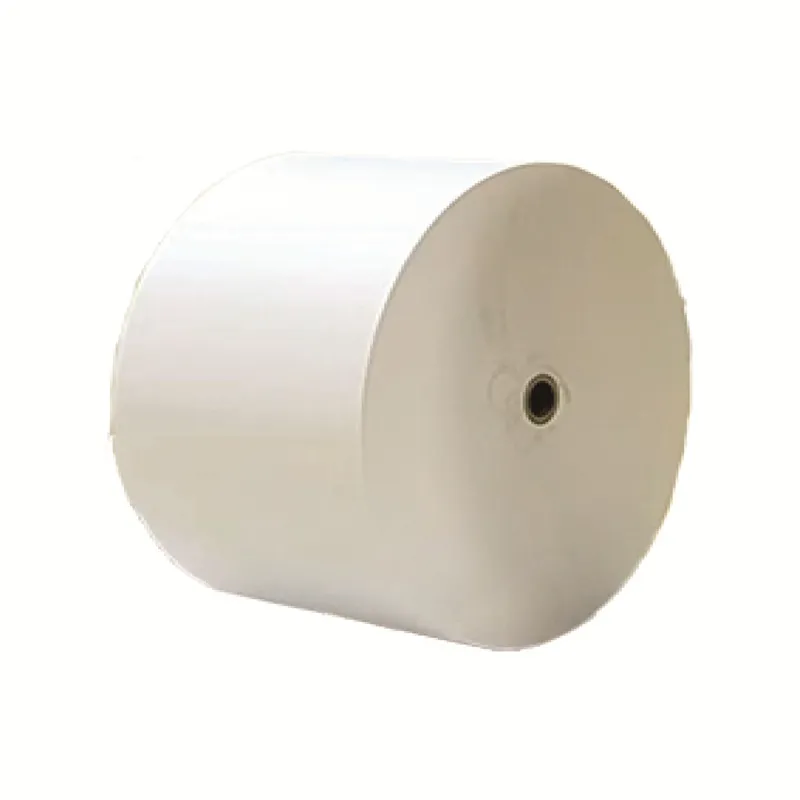
PE coated cup paper consists of a base paper layer and a thin layer of polyethylene (PE) coating. The base paper is typically made from wood pulp, which is a renewable resource. The PE coating serves several important functions. It provides a waterproof and moisture - resistant barrier, preventing the liquid inside the cup from seeping through the paper and keeping the cup from becoming soggy. It also helps to maintain the shape and integrity of the cup.
You can learn more about our high - quality PE coated cup paper products on the following links: PE Coated Cupstock Paper, Polycoated Cupstock, Polycoated Paper Roll.
The Recycling Challenge
The main challenge in recycling PE coated cup paper lies in the combination of paper and plastic. Traditional paper recycling facilities are designed to process pure paper materials. The PE coating makes it difficult for the paper fibers to be separated from the plastic during the recycling process.
In a typical paper recycling operation, the paper is first shredded and then mixed with water to form a pulp. The fibers in the pulp are then separated, cleaned, and used to make new paper products. However, when dealing with PE coated cup paper, the plastic coating does not break down easily in the water and can clog the processing equipment. Moreover, the presence of plastic can also degrade the quality of the recycled paper, as the plastic fragments may remain in the pulp and affect the strength and appearance of the final product.
Current Recycling Technologies
Despite the challenges, there are some emerging technologies that aim to recycle PE coated cup paper more effectively.
Chemical Separation
One approach is chemical separation. This method involves using solvents or chemicals to dissolve the PE coating from the paper fibers. Once the coating is removed, the paper fibers can be processed in the traditional way. However, this technology has some drawbacks. The chemicals used in the process can be expensive and may also have environmental impacts. Additionally, the recovered PE coating may need further treatment before it can be reused.
Mechanical Separation
Mechanical separation techniques are also being explored. These methods use physical processes such as grinding and sieving to separate the paper and plastic components. Some facilities are using specialized equipment that can break the bonds between the paper and the PE coating. The separated paper fibers and plastic can then be recycled separately. While mechanical separation is more environmentally friendly than chemical methods, it still requires significant investment in equipment and energy.

Regional Recycling Capabilities
The recyclability of PE coated cup paper also varies depending on the region. In some areas, there are advanced recycling facilities that are capable of processing this type of paper. These facilities may have the necessary technology and infrastructure to separate the paper and plastic components effectively.
However, in many regions, the lack of appropriate recycling facilities means that PE coated cup paper is often sent to landfills. This not only wastes valuable resources but also contributes to environmental pollution. As a supplier, I am committed to working with local recycling initiatives and promoting the development of more sustainable recycling solutions.
The Role of Consumers
Consumers also play an important role in the recycling of PE coated cup paper. By being aware of the recycling options available in their area, consumers can make a conscious effort to recycle these cups properly. Some cafes and restaurants are now providing separate bins for PE coated cups, which can help to ensure that these cups are sent to the appropriate recycling facilities.
Our Commitment as a Supplier
As a PE coated cup paper supplier, we are constantly looking for ways to improve the recyclability of our products. We invest in research and development to explore new materials and manufacturing processes that can make the recycling of PE coated cup paper easier and more efficient.
We also work closely with our customers to provide them with information about the proper disposal and recycling of our products. We believe that by working together with consumers, recycling facilities, and other stakeholders, we can make a positive impact on the environment.
Comparing with Traditional Uncoated Paper
When compared to traditional uncoated paper, the recycling process of PE coated cup paper is undoubtedly more complex. Uncoated paper is relatively easy to recycle as it can be directly processed in conventional paper recycling plants. However, uncoated paper lacks the waterproof and moisture - resistant properties of PE coated cup paper, which makes it unsuitable for many applications in the food and beverage industry.
This means that while PE coated cup paper presents challenges in recycling, it also offers unique benefits that make it a widely used material in the market.
Future Outlook
The future of recycling PE coated cup paper looks promising. As technology continues to advance, we can expect to see more efficient and environmentally friendly recycling methods being developed. Governments and environmental organizations are also becoming more aware of the importance of recycling, and they are likely to introduce more policies and incentives to promote the recycling of PE coated cup paper.
Contact Us for Purchase and Discussion
If you are interested in our PE coated cup paper products or have any questions about their recycling, we would be more than happy to assist you. We can provide you with detailed product information, samples, and address any concerns you may have regarding the environmental impact and recycling of our products. Please feel free to reach out to us to start a discussion about your specific needs and how we can meet them.
References
- "Recycling Challenges and Solutions for Multi - Layer Packaging." Journal of Environmental Science and Technology.
- "Advances in Plastic - Paper Separation Technologies." International Journal of Recycling of Materials.
- "The Impact of Consumer Behavior on Packaging Recycling." Sustainable Consumption and Production Journal.


